
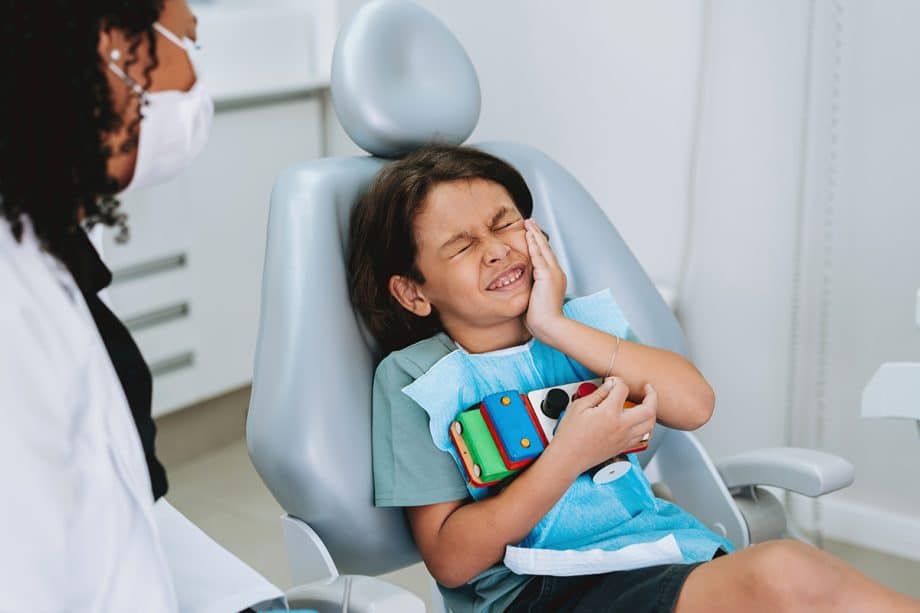
Nothing makes a parent's heart drop faster than a sudden accident involving their child's smile. We understand how overwhelming it feels to navigate a sudden oral injury, especially when your little one feels pain or distress. Whether a stray baseball hits a bit too close to home or a nasty fall on the playground damages a front tooth, knowing exactly how to react can make all the difference in saving that tooth. We created this comprehensive guide to equip you with practical, rapid steps you can take right at home before you seek professional help.
Quick thinking and a calm demeanor often mean the difference between losing a tooth permanently and restoring your child's healthy smile. Children look to the adults around them for emotional cues, so when you stay composed, you help them remain calm during a scary situation. By understanding the immediate actions for various injuries, you protect your child's oral health with confidence and effectiveness.
Handling Knocked-Out Permanent Teeth
A knocked-out permanent tooth requires immediate, precise action. The first thirty minutes after the accident make all the difference in saving the tooth. We always urge parents to act swiftly but carefully to preserve the living tissues still attached to the tooth. First, locate the tooth right away. Always pick the tooth up only by the chewing surface, which dental professionals call the crown. Never touch the root, because handling the root damages the sensitive cells you need for proper bone reattachment.
Cleaning and Storing the Tooth Safely
Gently rinse the tooth with milk or saline if you see dirt on it, but never scrub the surface or use tap water. Tap water contains chlorine and other harsh chemicals that destroy delicate root-surface cells. Next, try to reinsert the tooth into the socket if your child feels comfortable. Ask your child to bite down gently on a piece of clean gauze or a tea bag to hold the tooth firmly in place.
Seeking Immediate Professional Help
If you cannot reinsert the tooth or your child is in too much pain, place the tooth in a small container of cold milk or in a specialized tooth preservation kit. Milk has a neutral pH and contains essential proteins that help keep root cells alive while you travel. After securing the tooth, contact an emergency dentist immediately. Call ahead so the dental team can prepare the treatment room for your arrival. Act quickly, because saving a knocked-out permanent tooth depends on how fast you get professional help.
Managing Severe Toothaches and Abscesses
Toothaches often start gradually, but they can quickly turn into severe pain that keeps your child from sleeping, eating, or concentrating. We often see children with intense toothaches caused by deep decay, trapped food particles, or sudden infections. First, thoroughly inspect your child's mouth. Use a small flashlight to look for obvious signs of trouble, such as trapped food, dark spots that indicate decay, or swollen, red areas along the gum line.
Providing Immediate At-Home Relief
Have your child rinse their mouth vigorously with warm salt water. A warm saltwater rinse naturally reduces inflammation and helps dislodge stubborn debris between the teeth. Use dental floss to clean around the painful tooth carefully. Never use a sharp tool or pin to pry objects out from between your child's teeth—doing so can easily puncture the gums and cause an infection. If you notice swelling on your child's face or cheek, apply a cold compress to the outside of the affected area for fifteen minutes at a time.
Avoiding Common Mistakes
Give children's over-the-counter pain medication as directed on the package to manage their discomfort. Never rub aspirin or any painkiller directly onto the gums near the aching tooth—doing so will severely burn the sensitive tissues in your child's mouth. If you see a pimple-like bump on the gums along with a foul taste or fever, your child likely has an abscess. Treat an abscess as a serious bacterial infection, and seek prompt professional care to prevent it from spreading to other parts of the body.
Treating Chipped, Broken, or Fractured Teeth
Kids stay active, and chips or fractures often occur during sports, roughhousing, or accidental falls. When a tooth breaks, the sensitive inner layers of the tooth are exposed, causing sharp pain when your child breathes in cold air or drinks liquids. We recommend that parents act fast to minimize pain and stop further damage to the remaining tooth. First, help your child gently rinse their mouth with warm water to remove any dirt or blood.
Collecting and Preserving the Fragments
Carefully search the area for broken tooth fragments. Sometimes, we bond these original pieces back onto the damaged tooth if you keep them safe and moist. Place all recovered fragments in a small container of milk or saline solution to keep them hydrated. If the accident causes bleeding in the mouth, fold a piece of clean gauze and apply steady, gentle pressure to the bleeding area for about 10 minutes or until the bleeding stops.
Protecting the Soft Tissues
A chipped tooth often creates a jagged, sharp edge that can quickly cut your child's tongue or inner cheek. If you cannot reach the dental office right away, cover the sharp edge with a small piece of sugarless chewing gum or over-the-counter dental wax. This barrier shields the soft tissues inside the mouth from painful cuts. Apply a cold compress to your child's face to reduce any swelling from the impact. Schedule a dental visit as soon as possible, even if the chip looks minor, so we can check whether the trauma has damaged the tooth's internal nerve.
Keeping Your Child's Smile Protected After an Emergency
A dental emergency can shake up the whole family, but taking the right steps gives your child the best chance for a healthy smile. Stay confident and prepared—not helpless—when accidents strike. Stay calm, stop any bleeding, preserve damaged teeth properly, and seek professional care promptly to protect your child's beautiful smile.
We always emphasize prevention because it is the most effective way to guard against dental injuries. Encourage your children to wear custom-fitted mouthguards during any contact sports or high-risk activities. Schedule regular dental checkups so we can catch hidden decay before it turns into a painful, emergency-inducing toothache. Program your local dental professional's contact information into your phone right now. Keeping that number handy saves precious minutes in an emergency. Quick action brings the best results when you need to save a damaged smile.
Frequently Asked Questions About Emergency Dentistry
What should we do if a baby tooth gets knocked out?
If your child knocks out a primary baby tooth, do not try to reinsert it into the socket. Reinserting a baby tooth can severely damage the permanent tooth developing underneath the gums. Stop any bleeding with clean gauze, apply a cold compress to reduce swelling, and schedule an evaluation with our team to check for any damage to the surrounding teeth or jaw.
When does a toothache require an emergency visit?
Treat a toothache as an emergency when the pain severely disrupts your child's daily activities or sleep. Seek immediate professional care if your child experiences a toothache with a fever, facial swelling, difficulty swallowing, or a pimple-like bump on the gums. These symptoms point to a severe infection that can spread quickly. Rapid dental treatment clears the bacteria and protects your child's overall health.
At Paramount Dental Arts, we serve our community as a comprehensive family dental practice. We proudly deliver high-quality, compassionate oral care to patients of all ages. Whether you need routine cleanings, advanced restorative work, or urgent treatment for sudden injuries, we create a comfortable environment for your entire family. If you have questions about our services or would like to schedule an appointment, please reach out to us today.