Hearing that you need a dental crown can raise plenty of questions. You might wonder what the process looks like, how many appointments it requires, or how a crown can help your smile in the long run. We understand those concerns, and we want to walk you through everything.
At Paramount Dental Arts, we believe clear communication makes every visit smoother. In this guide, we explain what a dental crown is, when we may recommend one, and exactly what happens at each step of treatment. By the end, you will know what to expect when you sit in our chair.
What Is a Dental Crown and When Do You Need One?
A dental crown plays a big role in protecting and rebuilding a tooth that has seen better days. Before we talk about appointments, let's cover what a crown actually does and why we might suggest one for you.
What Is a Dental Crown?
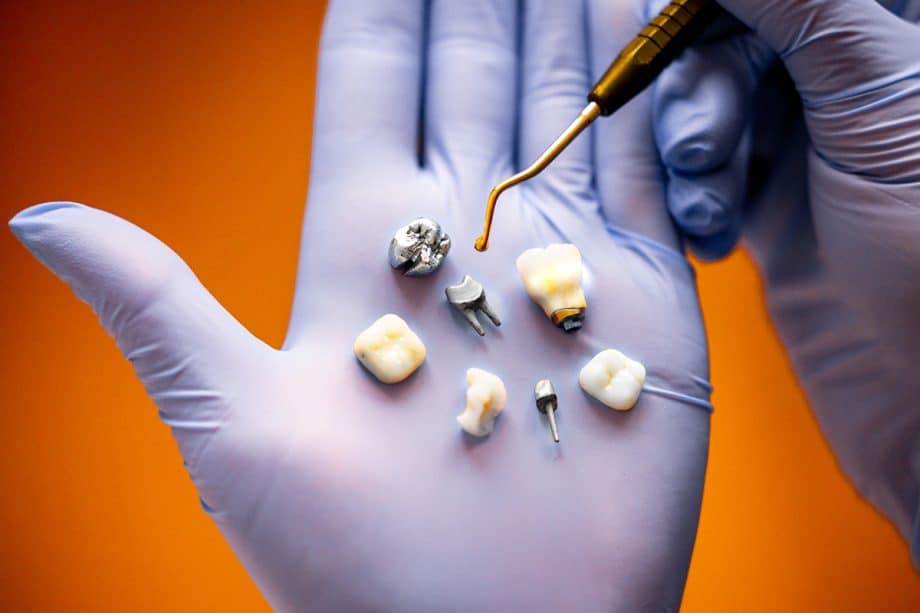
A crown is a dental restoration that completely covers the outside of a tooth. We place it over the visible part of the tooth so the restoration takes over the job your natural tooth used to handle. By covering the entire surface, a crown adds strength and protection that a smaller repair simply cannot match.
When Does a Tooth Need a Dental Crown?
We often recommend a crown when a tooth is cracked, broken, worn down, or severely decayed. In those situations, the tooth may not have enough healthy structure left to stay strong on its own. A crown protects what remains and helps the tooth function again so that you can eat and smile with greater confidence.
Your Dental Crown Appointment
We use the CEREC system, so most patients require only one visit to receive a new crown. CEREC crowns are durable, tooth-colored, and of equal or better quality than traditional crowns.
How We Prepare Your Tooth for a Dental Crown
First, we shape the tooth so that the crown fits over it properly. Shaping creates the right amount of space for the restoration. We focus on accuracy here because a well-prepared tooth leads to a crown that feels comfortable and natural.
How We Take Your Dental Crown Impression
After we shape the tooth, we take a digital impression. The impression captures the exact shape of your tooth, and we use it to design a crown that matches your bite. Getting this detail right helps your crown work smoothly alongside the surrounding teeth.
Making Your Crown
After we design your crown with the CEREC system, our milling machine uses the 3-D digital model to mill the restoration from high-tech materials.
How We Fit Your Dental Crown
After the milling machine finishes your crown, we carefully fit it onto your tooth and check that it fits properly and works well with your bite. Taking time at this stage helps the crown feel like a natural part of your smile.
How We Cement Your Permanent CEREC Crown
Once the fit looks right, we cement the permanent crown onto the tooth. The cement holds the crown firmly in place so it can take over the full function of your natural tooth. After we finish, your tooth is ready to go.
One visit, and your crown is complete. We keep every step clear and straightforward, so you always know where you stand in the process.
Dental Crowns and Restorative Dentistry
A crown is one of several ways we help patients rebuild damaged or decayed teeth. Seeing the bigger picture can help you understand how a crown fits your overall oral health goals.
How Dental Crowns Fit Into Restorative Dentistry
Crowns belong to a wider field of restorative dentistry, which focuses on returning damaged or missing teeth to normal function. When we restore a tooth, we work to protect your bite, smile, and oral structure. A crown often serves as a strong, protective choice when a tooth needs full coverage.
How Dental Crowns Work With Other Restorative Treatments
Crowns also support other restorative treatments. A dental bridge, for example, uses two crowns to anchor a replacement tooth between them. A crown can stand on its own or work as part of a larger plan to rebuild your smile. We walk you through your options so you understand how each piece fits together.
Frequently Asked Questions About Dental Crowns
What is restorative dentistry?
Restorative dentistry encompasses procedures that restore damaged or missing teeth to normal function. We use these treatments to help you eat, speak, and smile comfortably. When we can save your natural teeth, we do.
Can a broken tooth be fixed with a dental crown?
Yes. We can address broken, chipped, cracked, and fractured teeth in several ways. A crown, for instance, can protect a damaged tooth and restore its function at the same time. We always encourage you to seek treatment for a broken tooth rather than wait.
What are my options for missing teeth?
You have several choices, including dental implants, dentures, and dental bridges. The right option depends on factors specific to your oral health, and we can walk you through each one to help you find the best fit.
Does dental insurance cover dental crowns?
Coverage varies by plan, so we recommend contacting your insurance company directly to confirm your benefits. Many restorative procedures are covered at least in part, and checking with your provider gives you the clearest picture.
Is it better to save a damaged tooth than pull it?
In some cases, saving a tooth may not be possible. However, we can often treat a damaged tooth with advanced procedures that preserve it. Keeping a fully functional natural tooth usually serves your long-term oral health far better than removing it.
At Paramount Dental Arts, we provide restorative dentistry in Clifton, NJ, helping patients rebuild damaged and decayed teeth with skill and clear communication. If you have questions about dental crowns or want to schedule an appointment, reach out to us today.